- 02 September 26
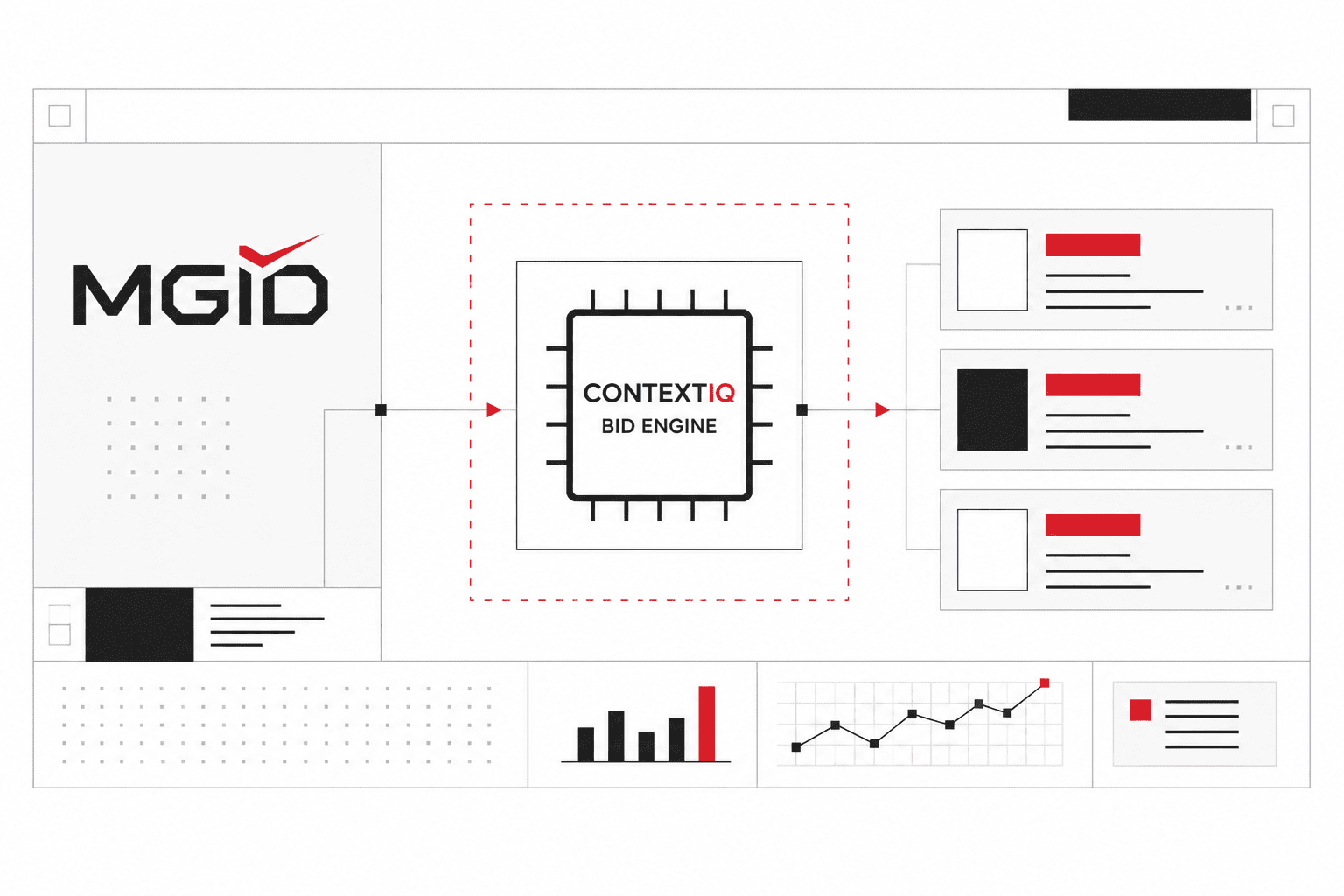
MGID Rolls Out ContextIQ Bid Engine to Optimize Native ROI
MGID has introduced a major infrastructure update with the launch of its ContextIQ bid engine, replacing the legacy keyword-bucket targeting model. This new semantic layer processes over 140 real-time signals per impression, including page-level context, user session behavior, and publisher placement history, to deliver more precise ad matching.
Technical Manifestations
Early adopters report CPC reductions of 14–22% across multiple verticals, while EPC lifts range from 12–31% depending on geo and offer type. The engine integrates scroll-depth patterns, device-level engagement scores, and recency weighting to throttle ad fatigue. This eliminates the need for manual frequency capping and reduces wasted spend on irrelevant placements.
Operational Impact
Affiliate media buyers highlight immediate improvements in funnel alignment. For example, insurance campaigns no longer appear on cooking blogs, and Nutra pre-landers avoid finance publisher placements. This contextual tightening has led to measurable increases in click-to-lead ratios without creative adjustments.
Community Signals
STM Forum and Telegram groups confirm rapid budget reallocations toward MGID following the rollout. Media buyers with multi-million dollar native spend report that ContextIQ has solved the “placement garbage problem,” reducing budget burn and improving conversion efficiency. The update is seen as a competitive move against Taboola and Outbrain, particularly in tier-2 and tier-3 geos.
Policy and Compliance Notes
MGID has not disclosed the full compliance framework behind ContextIQ. However, the built-in ad fatigue throttle and semantic matching suggest a stronger alignment with privacy-first standards. The root cause of certain anomalies in placement filtering remains undisclosed, but operational feedback indicates a net positive impact on campaign stability.
Sources
[https://affiliatetimes.com/] [https://mgid.com/]
Latest Blog